
Exterior Painting in Arvada, CO, Built to Last in Colorado's Climate.
Most exterior paint jobs don't fail because of the paint — they fail because of what's underneath it. Here's exactly what goes into ours, layer by layer.
Five Layers Between Your Siding and Colorado's Weather
Skip a layer here and the whole system fails early, no matter how good the topcoat is. Scroll through exactly what goes into ours.
Layer 01 · Existing Surface
Layer 01
The Existing Surface
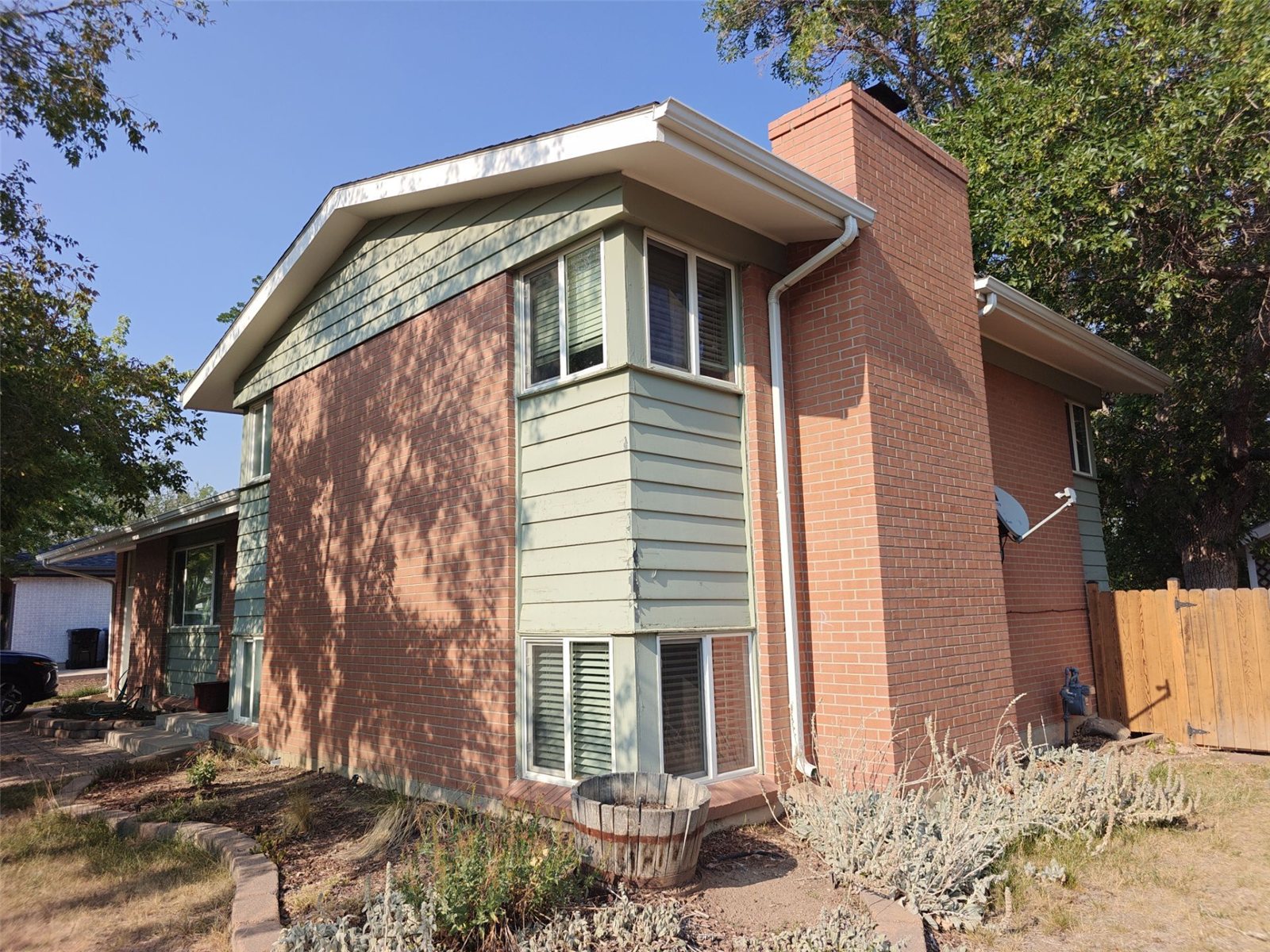
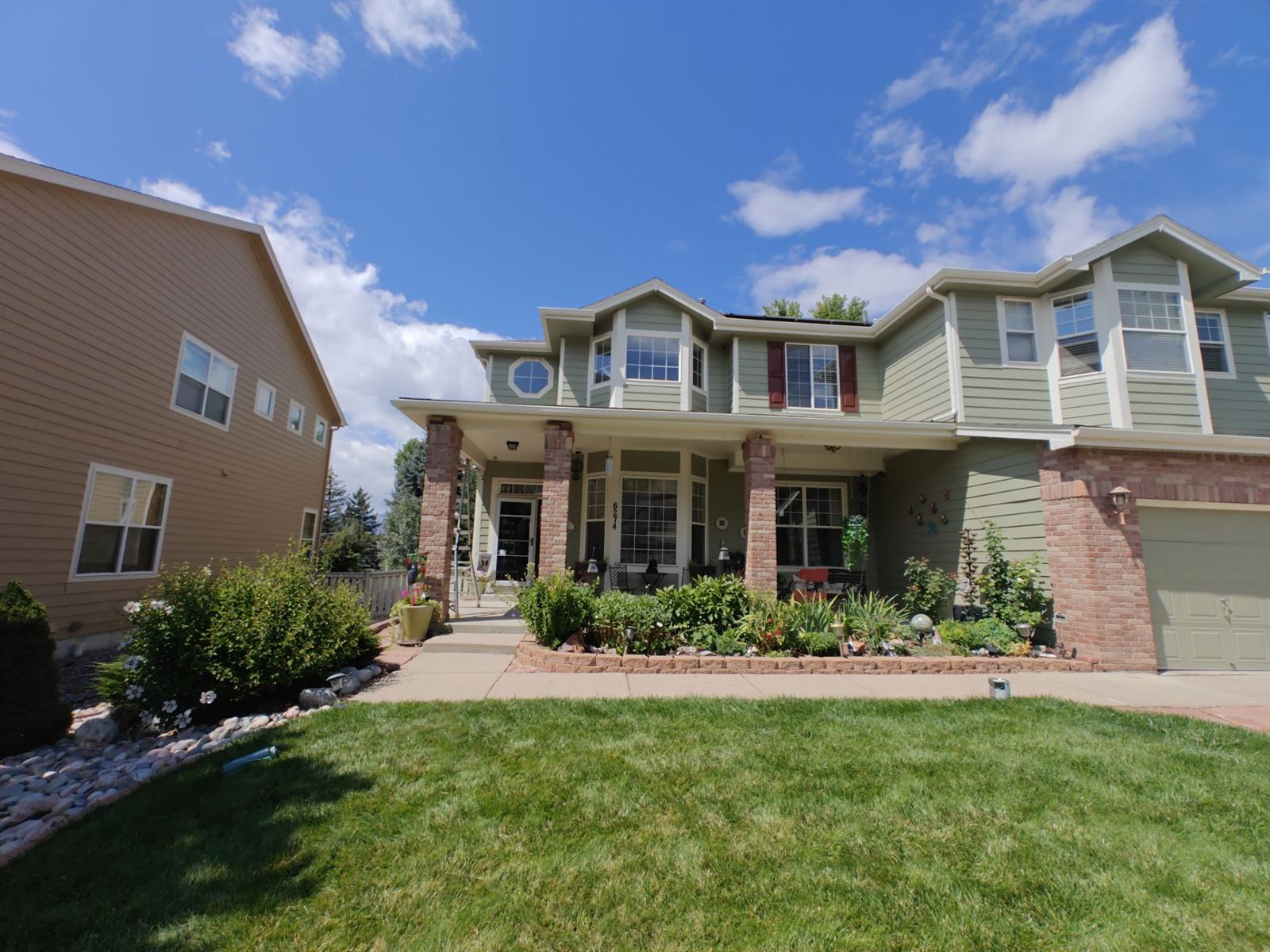
Every job starts with an honest look at what's actually on the wall — chalking, hairline cracks, failed caulk, old paint that's already given up. What we find here decides how much work the next four layers need; skipping this step is how a repaint gets scheduled around the paint instead of around your house.
Layer 02
Wash, Scrape & Hand-Prep
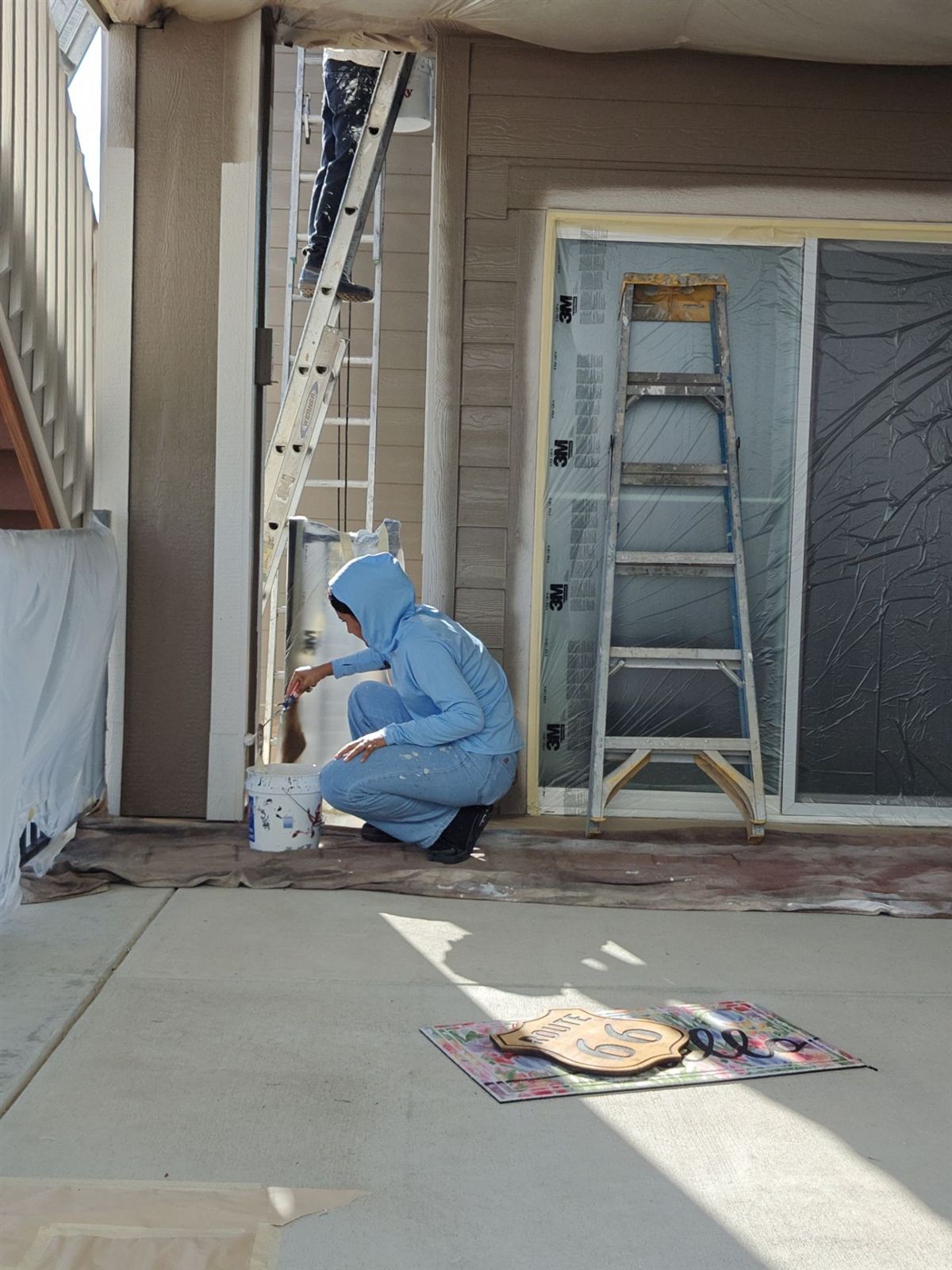
We wash every surface, then scrape and hand-sand any paint that's already loose or cracking. Dirt, chalking residue, or flaking paint left behind becomes a weak point under the new coating. It's the least glamorous layer, and the one that determines whether everything above it actually holds.
Layer 03
Caulk & Mask Every Edge
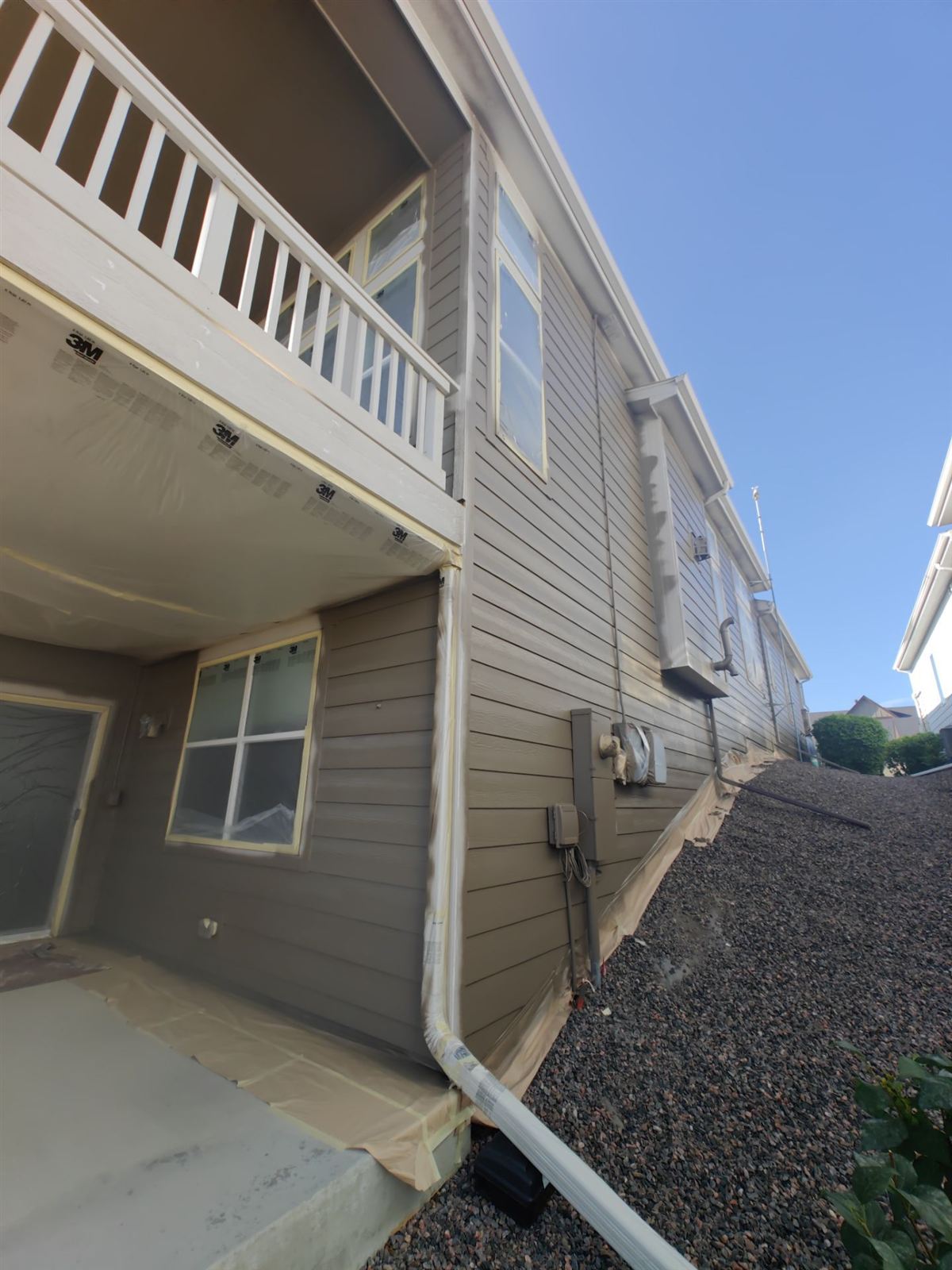
Every joint, seam, and trim transition gets fresh caulk before anything else happens. Colorado's freeze-thaw swings open up small gaps fast, and an unsealed seam is where water gets in and paint starts failing first. Windows, doors, and landscaping get fully masked and protected for the same reason we protect the paint: because the details are what actually last.
Layer 04
Prime & Seal
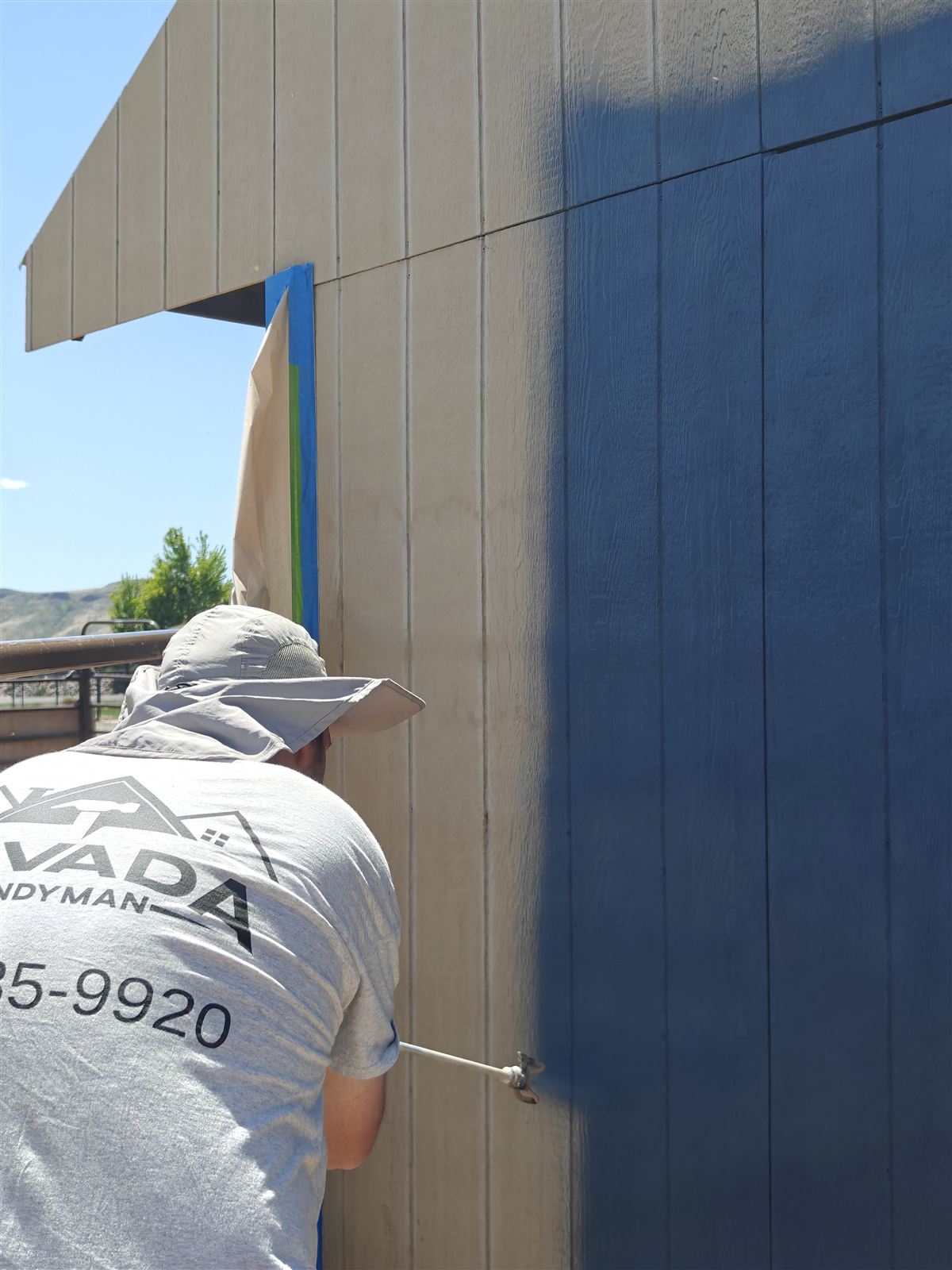
A dedicated primer coat seals the prepped surface and gives the topcoat something consistent to bond to — especially over patched or spot-repaired areas, where paint alone won't lay down evenly. This is the layer nobody sees in the final photos, and the one doing the most work underneath them.
Layer 05
Two Finish Coats
Two full coats of 100% acrylic latex, chosen for UV resistance and flexibility — the two things Colorado's climate tests hardest. At our elevation, UV runs roughly 25% stronger than at sea level, and a coating without real flexibility is exactly what cracks first when temperatures swing. This is the layer everyone sees; the other four are why it still looks right in year eight.
Every Exterior Surface We Cover
Different materials need different prep and different coatings — here's what we work on.
How We Paint Siding, Stucco, Brick & Trim Differently
Good exterior painting doesn’t treat every wall the same. Each material in the Denver metro fails in its own way, so each one gets its own prep.
Wood Siding
Wood lap siding and cedar usually need the most hand work. Dry air and strong UV pull moisture out of bare wood, so we scrape and sand failing areas back to sound paint, spot-prime bare spots, and seal the end grain and joints where water likes to enter. See a siding repair and exterior repaint in Arvada for how that plays out on a real house.
Fiber Cement & LP SmartSide
Fiber-cement lap siding and engineered-wood siding such as LP SmartSide usually ship factory-primed, but that primer isn’t a finish. After a thorough wash we caulk joints, touch up cut ends and exposed edges, and apply 100% acrylic topcoats. Chalky, faded fiber cement is often a strong candidate for a fresh color.
Stucco
Stucco is rigid and porous, so it cracks and soaks up water if it’s left bare. We hunt for hairline and spider cracks, patch them, and let repairs cure before priming. A flexible acrylic coating can bridge small cracks that a stiff one would telegraph, and textured stucco drinks more paint than smooth siding, which is worth knowing when you compare estimates.
Brick & Masonry
Painting brick is a bigger commitment than most people expect because it’s hard to undo. We clean off mildew and efflorescence, repair failing mortar joints, and use breathable coatings so moisture can still escape. If your brick is sound and you only want a fresher look, repainting the siding and trim around it is often the better call.
Trim, Fascia & Soffits
Trim and fascia sit in direct sun and catch rain at every joint, so they’re where paint fails first. They get extra scraping, fresh caulk, and primer. On a south- or west-facing roofline, expect them to need attention sooner than the walls below. Our siding and trim color refresh in Arvada shows the difference clean trim lines make.
Garage Doors & Metal
Steel garage doors, railings, and entry doors need rust treated and glossy factory finishes dulled before new paint will hold. We spot-prime bare metal with a metal-appropriate primer, then finish with a durable exterior coating. Dark colors get hot in direct sun, so we’ll talk through color choices for south- and west-facing doors.
Common Exterior Paint Problems in Arvada, and How We Fix Them
Most homeowners who call about exterior painting in Arvada have one of a handful of problems. Each one has a cause, and the fix has to address the cause or the new paint will fail the same way.
Peeling & Flaking Paint
Peeling usually means moisture got behind the film or the last repaint skipped prep. We scrape back to a firm edge, sand the transitions smooth, and spot-prime bare areas so the new coat never sits on a loose layer.
Chalking & Sun Fade
Rub a hand across a south-facing wall. If color comes off like chalk, the binder has broken down under UV. We wash chalk away before painting, because new paint can’t bond to powder.
Cracked Caulk & Open Seams
Caulk hardens and splits after years of expansion and contraction. We cut out failed caulk at trim joints, window and door casings, and siding butt joints, then replace it with flexible exterior-grade caulk.
Mildew & Grime
Shaded north walls and areas near sprinklers and landscaping stay damp and grow mildew. We wash and treat those areas before priming, since painting over mildew only hides it for a season or two.
Hail & Wind Damage
Hail season along the Front Range can leave dings, cracked boards, and bare spots on trim and wood. Damaged siding should be repaired before it’s painted, and we can fold those repairs into the repaint so you deal with one crew.
Soft or Rotted Wood
If a screwdriver tip sinks into trim or siding, paint won’t hold there. Small areas can often be repaired and primed, while larger sections may need replacing first. We flag them at the estimate. Here’s a shed siding repair and repaint in Golden.
What to Expect During an Exterior House Painting Project
No surprises is the goal. Here’s how exterior painting typically unfolds from the first walkthrough to the final check.
1. The Walkthrough & Free Estimate
We walk your exterior with you, note every surface and trouble spot, and talk through color and scope. You get a free estimate that spells out what’s included before any work starts.
2. Prep Days
The first days are mostly washing, scraping, sanding, caulking, and masking. From the driveway it can look slow, but this is the work that decides how long the finish lasts. Windows, doors, and landscaping get covered and protected.
3. Prime & Paint
Primer goes on repaired areas, then two finish coats of exterior paint. Acrylic paint is often dry to the touch within hours, but recoat times depend on temperature, humidity, and the surface, so we plan around the weather instead of the clock.
4. Final Walkthrough & Cleanup
We check cut lines, touch up anything that needs it, remove masking, and clean up. Then we walk the house with you. Your work is covered by our 2-year workmanship warranty.
How Long Will It Take?
Depends on the size of the home, how many stories, how much repair is needed, and the weather. Many exteriors take several days to a couple of weeks, and we’ll give you a realistic window with your estimate. On spray days, keep windows closed and pets inside, and move cars and patio furniture away from the walls. While we’re on site, ask about a deck staining or fence staining add-on so the whole yard matches.
Choosing Exterior Paint Colors & Finishes for a Colorado Home
Color is the fun part of exterior painting. A few Colorado-specific details keep it looking good for years.
Color & Fade
Strong sun at our elevation fades color, and dark, saturated shades typically fade fastest on south and west walls. Mid-tones and warm neutrals tend to hold up well. Test big samples on the actual wall and check them in morning and late-afternoon light before you commit.
Sheen
Satin or low-sheen finishes are common on siding, and semi-gloss on trim, doors, and fascia because it sheds dirt and water. Flat finishes can hide small surface flaws on stucco but show scuffs more easily. We’ll recommend a sheen for each surface.
HOA & Neighborhood Rules
Many Denver-metro HOAs and metro districts require approval before an exterior color change. Check your covenants early, share the approved palette with us, and we’ll plan the scope around it. Browse a full exterior repaint in Arvada for color inspiration.
The Best Time to Paint a House Exterior in Colorado
The Spring-to-Fall Window
Most Front Range exterior painting happens from late April through early October. Mid-summer is dry and warm, though afternoon thunderstorms and wind can interrupt a day. Spring and fall bring cooler nights, and most acrylic exterior paints list a minimum application temperature, so we follow the label and the forecast rather than the calendar. Popular months tend to book up, so reaching out early gives you more choice of dates.
How Often Should You Repaint?
A well-prepped repaint with quality acrylic commonly lasts 7 to 12 years here. Bare wood trim and sun-baked south and west walls often need a refresh sooner. Watch for chalking, peeling, cracked caulk, gaps at trim joints, and faded color. Catching them early usually means a lighter prep job and a lower-stress repaint.
Painting Across the Denver Metro
We paint homes throughout the area, from established neighborhoods in Golden and Lakewood to newer subdivisions in Westminster and Thornton. Older homes often mean more wood prep, while newer ones usually involve fiber cement or engineered siding. Not sure it’s time for exterior painting? Request a free exterior estimate and we’ll tell you honestly.
Serving Arvada & the Surrounding Denver Metro
Exterior projects throughout Jefferson & Adams County communities.
Arvada
Our home base — every neighborhood, all project sizes.
Westminster
Exterior & commercial painting.
Wheat Ridge
Exterior & commercial painting.
Golden
Exterior & commercial painting.
Broomfield
Exterior & commercial painting.
Lakewood
Exterior & commercial painting.
Thornton
Exterior & commercial painting.
Don't See Your City?
Ask us — we regularly travel across the metro.
Exterior Painting FAQs
How much does exterior painting cost in Arvada, CO?
Cost depends on your home's size, number of stories, current condition, and which surfaces are involved — siding, stucco, brick, and trim all prep differently. We give every project a free, no-pressure estimate so you know the exact scope and price before any work starts. Our guide to what it costs to paint a house exterior in Arvada explains each factor.
How long does exterior paint actually last in Colorado?
With proper prep and a quality 100% acrylic coating, 7 to 12 years is typical for Front Range homes. South- and west-facing walls usually need attention sooner than north- and east-facing ones — Denver-metro's elevation puts UV exposure roughly 25% higher than at sea level, and that extra sun load ages a south or west wall faster than the shaded sides of the same house.
Why does prep matter so much for exterior paint here?
Colorado's freeze-thaw cycles put real stress on a paint film. The substrate underneath expands and contracts as temperatures swing, and cracks start exactly where that stress concentrates. Paint applied over dirt, chalking, or unsealed gaps fails at those same stress points years early, no matter how good the paint itself is. That's why we treat every layer (wash, scrape, caulk, prime) as load-bearing, not optional.
What time of year is best for exterior painting in Arvada?
Spring through fall, generally. Exterior coatings need dry weather and moderate temperatures to cure properly, and Colorado's spring and fall can both bring sudden swings, so we watch the forecast closely and won't apply paint in conditions that would compromise the cure. We'll help you plan around your schedule and the season's weather windows.
What kind of paint do you use for Colorado exteriors?
100% acrylic latex formulated for UV resistance and flexibility, matched to the specific surface — siding, stucco, brick, or trim all take the coating a little differently. Acrylic's flexibility matters most in a climate with this much temperature swing, since a rigid coating is exactly what cracks first during freeze-thaw.
Are you licensed and insured?
Yes — Arvada PaintWorks is licensed, insured & bonded, and operates as a painting-focused division of Arvada Handyman, with 10+ years of experience and 1,000+ completed projects across the metro.
Can you paint stucco in Arvada, and is it different from painting siding?
Yes. Stucco takes paint well when it's sound, but it needs more prep than most siding. We wash it, patch hairline and larger cracks, let repairs cure, prime the patches, and apply flexible 100% acrylic coats. Textured stucco also absorbs more paint than smooth siding, so material use and cost run higher on the same square footage.
How long does an exterior painting project take?
It depends on the size of the house, the number of stories, how much repair is needed, and the weather. Many exteriors take several days to a couple of weeks from prep to final walkthrough. We give you a realistic window with your free estimate, and dry-weather days decide the schedule more than anything else.
Do I need HOA approval to repaint my exterior in the Denver metro?
Often, yes. Many HOAs and metro districts require approval for exterior color changes and sometimes for same-color repaints. Check your covenants or ask your management company before choosing colors, then send us the approved palette and we'll plan the project around it.
Do you repair damaged siding and trim before painting?
Yes. Peeling, cracked caulk, soft spots, and hail dings get repaired before any primer or paint goes on, because paint over damage fails early. Small repairs are part of normal prep. If larger sections of siding or trim need replacing, we point that out at the estimate so there are no surprises.
Ready to Protect Your Home's Exterior?
Get a free, no-pressure estimate — we'll walk your exterior and tell you exactly what it needs.